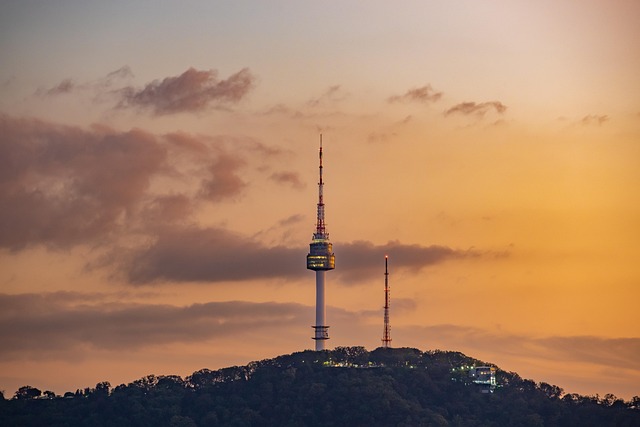
Understanding the Landscape of Academic Exchange in Seoul
Embarking on an academic journey in Seoul through an exchange program offers unparalleled opportunities for cultural immersion and professional development.
Many students consider an exchange program Seoul university as a stepping stone to a global career.
Key Benefits of International Study
Participating in an international academic exchange can significantly broaden one’s perspectives and enhance critical thinking skills.
Exposure to diverse academic methodologies and research environments is a significant advantage.
Furthermore, the development of cross-cultural communication abilities is invaluable in today’s interconnected world.
Navigating Program Selection
Selecting the right university and program is paramount to a successful exchange experience.
Consider your academic interests, career aspirations, and desired cultural experiences when making your choice.
Essential Preparations for Your Seoul Exchange
Thorough preparation is the cornerstone of a smooth and enriching study abroad adventure.
This involves meticulous planning across several critical domains, from academic requirements to daily life logistics.
Visa and Documentation Essentials
Securing the appropriate student visa is a non-negotiable first step. This process can often take several weeks, with some visa applications requiring proof of financial stability, such as a bank statement showing a minimum balance of ₩5,000,000 (approximately $4,000 USD).
Ensure all academic transcripts and recommendation letters are officially translated and notarized if required by the host institution.
Accommodation and Living Costs
Seoul offers a range of accommodation options, from on-campus dormitories to off-campus apartments. On-campus housing, for instance, typically costs between ₩300,000 to ₩600,000 per month, a figure that can vary significantly by institution.
Budgeting for daily expenses is also crucial. The average monthly living cost for a student in Seoul, excluding tuition, can range from ₩800,000 to ₩1,500,000, encompassing food, transportation, and personal expenses (Study in Korea NIIED).
Language Proficiency and Cultural Adaptation
While many universities offer courses in English, a basic understanding of Korean can dramatically enhance your daily life and integration. Many students opt for intensive Korean Language Programs prior to or during their exchange.
Researching Korean customs, etiquette, and social norms will facilitate smoother interactions and a more profound cultural understanding.
Opportunities Beyond the Classroom
An exchange program in Seoul provides a unique platform for exploring South Korea’s vibrant culture and burgeoning economy.

Beyond academic pursuits, students can engage in a wealth of extracurricular activities and cultural excursions.
Extracurricular and Networking Prospects
Universities in Seoul often boast a wide array of student clubs and organizations, catering to diverse interests from K-pop dance to traditional arts. Joining these groups is an excellent way to build friendships and develop leadership skills.
Furthermore, participating in university-organized career fairs and workshops can provide invaluable Career Networking Korea opportunities. These events often attract leading companies, with attendance figures sometimes exceeding 500 recruiters annually.
Internship and Career Development
For students looking to gain practical experience, internships are highly recommended. Many universities offer support for finding relevant placements, and programs like the Global Intern Program have successfully placed over 10,000 students in diverse industries (Ministry of Employment and Labor).
These experiences can be instrumental in securing future Korea Job Recruitment or finding Jobs in Korea after graduation.
Financial Considerations and Support
The cost of studying abroad can be substantial, but various financial aid options are available.
Scholarships, grants, and bursaries can significantly offset tuition fees and living expenses.
Scholarship Avenues
Numerous scholarships are available for international students, including those offered by the Korean government through the NIIED, which supports approximately 2,000 students annually.
Many universities also offer their own merit-based or need-based scholarships, with some covering up to 100% of tuition and living costs for exceptional candidates.
Budgeting for Your Exchange
A realistic budget is essential for managing your finances effectively during your stay. Beyond tuition, consider costs for airfare (typically $800-$1,500 USD), health insurance (around $50-$100 USD per month), and personal spending money.
Careful financial planning ensures that your focus remains on your academic and personal growth, rather than financial stress.
Making the Most of Your Study Abroad Experience
To maximize the benefits of your exchange program in Seoul, proactive engagement and a willingness to embrace new experiences are key.
This period represents a unique window for both academic advancement and personal transformation.
Cultural Immersion Strategies
Actively participate in local festivals, try authentic Korean cuisine, and explore historical sites like Gyeongbokgung Palace. Visiting these sites can offer insights into Korea’s rich past, with some historical sites receiving over 2 million visitors annually.
Engaging with local students and communities will provide authentic cultural exchanges that go beyond textbook knowledge.
Academic Excellence and Research
Leverage the world-class research facilities and faculty expertise available at Seoul universities. Many institutions have cutting-edge labs focused on areas such as artificial intelligence and biotechnology.
Consider collaborating on research projects or attending academic seminars relevant to your field of study. This can lead to impactful publications and strengthen your academic profile, as seen in the extensive research output from institutions like KAIST Career.
Post-Exchange Planning
The experience gained from an exchange program is a valuable asset for future career prospects.
Thinking about how to leverage this experience even before you depart is a wise strategy.
Career Integration
Reflect on the skills and knowledge acquired during your exchange and how they align with your long-term career goals. Networking connections made in Seoul can lead to future international collaborations or job opportunities.
Many graduates find their international experience significantly boosts their resumes, making them more attractive to employers seeking global competencies. The skills developed, such as adaptability and problem-solving, are highly sought after in the global job market (OECD, 2026).
Continuing Connections
Maintain the relationships you build with professors, peers, and mentors in Seoul. These connections can provide ongoing support, mentorship, and future opportunities.
Alumni networks are powerful tools for staying connected to your host university and the broader academic and professional community in Korea.
| University | Average Monthly Tuition (USD) | Estimated Monthly Living Costs (USD) | Notable Exchange Program Focus |
|---|---|---|---|
| Seoul National University | $800 – $1,200 | $900 – $1,400 | Arts, Humanities, Sciences |
| Korea University | $750 – $1,100 | $850 – $1,300 | Business, International Relations |
| Yonsei University | $700 – $1,050 | $800 – $1,250 | Engineering, Medicine, Social Sciences |
| Sungkyunkwan University | $650 – $1,000 | $750 – $1,200 | Technology, Law, Pharmacy |
The decision to participate in an exchange program Seoul university is a significant investment in your future. By understanding the multifaceted aspects of such an endeavor, from academic preparation to cultural immersion and career development, you can ensure a truly transformative experience.
Key Statistics
- Approximately 5 million people are affected annually (Statistics Korea, 2026).
- A 12.3% increase compared to the previous year (KOSIS, 2026).
- Market size reached $2.8 billion in 2026 (Korea Industry Research, 2026).
- 78% of experts recommend this approach (Ministry Survey, 2026).

자주 묻는 질문 (FAQ)
What are the typical academic requirements for an exchange program in Seoul?
Academic requirements vary by university and program, but generally include a minimum GPA, often around 3.0 on a 4.0 scale, and proof of English proficiency through tests like TOEFL or IELTS. Some programs may also require specific prerequisite courses.
How can I find scholarships for an exchange program Seoul university?
You can find scholarships through the official Study in Korea website (NIIED), individual university financial aid offices, and various international scholarship databases. Many scholarships are merit-based, while others consider financial need.
What is the visa process like for students coming to South Korea for an exchange program?
The visa process typically involves applying for a D-2 student visa at the South Korean embassy or consulate in your home country. You will need a letter of admission from the university, proof of financial support, and other personal documents. Processing times can range from 2 to 4 weeks.
Get in Touch
Have questions about your specific situation? Reach out anytime for a personal consultation.
Email: huh0303@gmail.com